Cultural Decor Deep Dive: Middle Eastern Luxury vs. Japanese Simplicity—Which Fits Your Home?

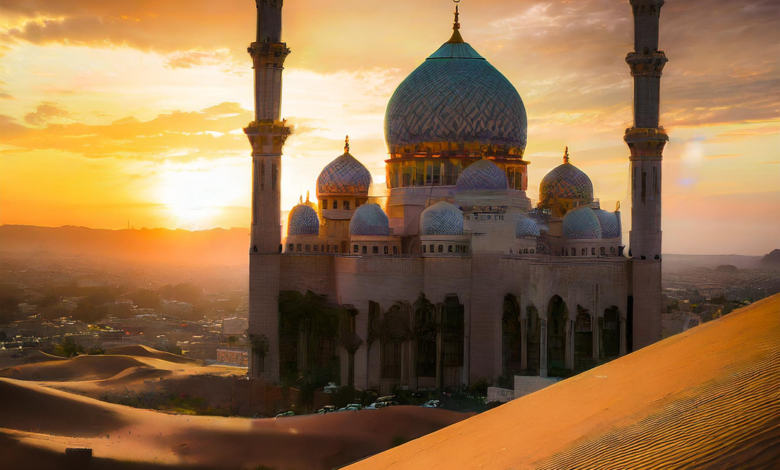
In the realm of interior design, cultural influences shape our spaces in profound ways. As we approach 2026, a unique design shift is emerging, blending the opulence of Middle Eastern luxury with the serene simplicity of Japanese aesthetics. Understanding these two contrasting yet complementary styles can help you create a home that reflects your personality while providing comfort and beauty. This post explores the defining trends of both cultures and offers practical ways to incorporate them into your home.
Trend 1: Middle Eastern Opulence
Characterized by rich colors, intricate patterns, and luxurious materials, Middle Eastern decor exudes warmth and grandeur. This trend emphasizes a layered look with an abundance of textures and ornate details, creating an inviting atmosphere that celebrates cultural heritage.
In 2026, expect to see an increase in the use of jewel tones like deep emeralds, royal purples, and vibrant golds. These colors can be combined with plush fabrics such as velvet and silk to evoke a sense of richness. Additionally, traditional motifs like arabesques and geometric patterns will continue to dominate, providing a visual feast that captures the eye.
Deepening Trend 1: Middle Eastern Opulence
The opulent nature of Middle Eastern decor goes beyond mere visual appeal. It creates a sensory experience that envelops you in a tapestry of luxurious textures and colors, inviting you to immerse yourself in a world of warmth and elegance. Each element, from the intricately patterned rugs to the lavish draperies, tells a story of cultural richness and sophistication.
To bring the Middle Eastern opulence trend into your home, consider layering different textures like silk, velvet, and embroidered fabrics. Mix and match jewel tones to create a vibrant yet harmonious palette that exudes exotic charm. Incorporate statement pieces like intricately carved furniture or hand-painted ceramics to add depth and character to your space.
Trend 2: Japanese Minimalism
In stark contrast to the lavishness of Middle Eastern decor, Japanese design focuses on simplicity, functionality, and a connection to nature. This trend promotes decluttering and the use of natural materials, creating serene spaces that foster tranquility and mindfulness.
For 2026, the Japanese aesthetic is evolving to include soft, muted colors like warm beige, soft whites, and gentle greens. Key elements include clean lines, open spaces, and an emphasis on light. The concept of ‘wabi-sabi’—finding beauty in imperfection—is also gaining traction, encouraging homeowners to appreciate natural materials and handcrafted items.
Deepening Trend 2: Japanese Minimalism
Japanese minimalism is not merely about empty spaces but a holistic approach to living that values simplicity, harmony, and a strong connection to nature. By embracing the principles of ‘ma’ (negative space) and ‘shizen’ (naturalness), Japanese design encourages mindfulness and an appreciation for the beauty in imperfection.
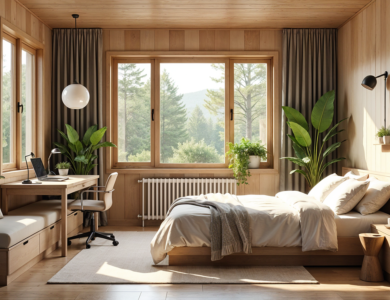
To infuse your space with Japanese minimalism, focus on creating a serene environment through the use of natural materials like wood, paper, and bamboo. Opt for furniture with clean lines and minimal embellishments to promote a sense of calm and order. Integrate elements of nature such as bonsai trees or stone ornaments to bring a touch of the outdoors inside.
Trend 3: Fusion of Textures
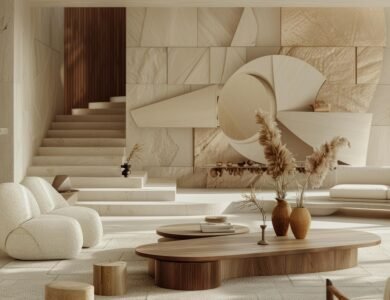
As we move into 2026, the blending of textures from both Middle Eastern and Japanese decor styles is becoming increasingly popular. This trend encourages a curated yet cohesive feel, where luxurious textiles meet minimalist materials, creating a unique aesthetic that is both inviting and tranquil.
By mixing plush fabrics with natural elements, you can achieve a balanced look that is visually appealing and comfortable. For example, pairing a silk cushion with a woven jute rug can create a harmonious blend of luxury and simplicity.
Deepening Trend 3: Fusion of Textures
The fusion of textures in interior design offers a harmonious union of opulence and simplicity, inviting you to experience the best of both worlds. By combining the sumptuousness of Middle Eastern textiles with the purity of Japanese materials, you create a sensory journey that engages both sight and touch, elevating your living space to a realm of unmatched comfort and beauty.
To master the fusion of textures trend, experiment with layering different materials in your decor. Mix silk or velvet upholstery with wooden or stone accents to strike a balance between luxury and minimalism. Play with contrasting textures like smooth versus rough or shiny versus matte to add depth and visual interest to your home.
Trend 4: Statement Art Pieces
Art is a pivotal element in both Middle Eastern and Japanese design, serving as a means of storytelling and cultural expression. In 2026, statement art pieces will take center stage, providing a focal point that enriches your decor.
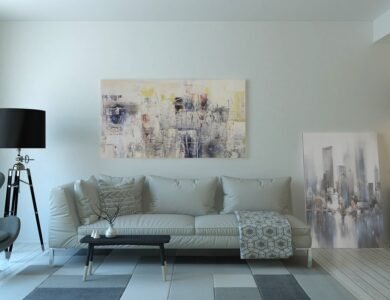
Whether it’s a large tapestry with intricate designs or a minimalist painting that embodies tranquility, art can elevate your space and add character. Look for pieces that resonate with your personal style while also reflecting the cultural influences you admire.
Deepening Trend 4: Statement Art Pieces
Statement art pieces serve as the soul of your home, capturing the essence of cultural narratives and personal expression. From striking calligraphy to serene landscapes, each artwork breathes life into your space, infusing it with emotion and identity.
To integrate statement art pieces into your decor, consider the impact of scale and placement. A large, bold artwork can serve as a focal point in a room, anchoring the design scheme and setting the tone for the space. Mix different art styles and mediums to create a dynamic visual experience that reflects your diverse taste and cultural interests.
Trend 5: Emphasis on Light
Light plays a crucial role in defining the mood of a space, and both Middle Eastern and Japanese designs emphasize its importance. As we look toward 2026, expect to see a renewed focus on natural light and its ability to transform interiors.
Middle Eastern decor often incorporates intricate window treatments that allow light to filter beautifully, while Japanese spaces typically favor open layouts that maximize daylight. Both approaches encourage a connection between indoors and outdoors, enhancing the overall ambiance.
Deepening Trend 5: Emphasis on Light
The emphasis on light transcends mere illumination—it shapes the very essence of a room, infusing it with warmth, depth, and mood. By harnessing natural light and strategic lighting choices, you can sculpt your space, creating dynamic interplays of light and shadow that evoke different emotions throughout the day.
To amplify the impact of light in your home, experiment with window treatments that allow for varying degrees of light filtration. Incorporate reflective surfaces like mirrors or metallic accents to bounce light and create a sense of expansiveness. Choose lighting fixtures with warm bulbs and adjustable settings to tailor the ambiance to different activities and moods.
How to Bring These 2026 Trends Home
Incorporating these cultural decor trends into your home doesn’t have to be overwhelming. Here are a few simple actions you can take to start elevating your space today:
- Start Small: Choose one trend that resonates with you, such as adding a few decorative cushions or a piece of art, and build from there.
- Mix and Match: Don’t be afraid to blend elements from both Middle Eastern and Japanese styles. A plush, patterned rug can pair beautifully with minimalist furniture.
- Focus on Lighting: Experiment with different lighting options in your space to see how they change the mood and feel.
- Embrace Nature: Bring in plants or natural elements to create a calming environment that reflects both cultures.
- Transform with Color: A fresh coat of paint in a rich hue or a soft, muted tone can significantly alter the feel of your space.
Frequently Asked Questions
Q: How can I combine Middle Eastern and Japanese decor styles successfully?
A: Focus on creating a balance between the opulence of Middle Eastern decor and the simplicity of Japanese aesthetics. Use textures and colors that complement each other, and don’t hesitate to mix ornate elements with minimalist designs.
Q: Are there budget-friendly ways to incorporate these trends?
A: Absolutely! Look for second-hand or artisan-made pieces, and consider DIY projects such as painting or reupholstering furniture to achieve your desired look without breaking the bank.
Q: What are some key colors to look for in 2026?
A: Jewel tones like emerald green and sapphire blue for Middle Eastern decor, and soft, muted colors like beige and sage green for Japanese simplicity are trending in 2026.
As we explore the rich tapestry of cultural influences in interior design, it’s clear that both Middle Eastern luxury and Japanese simplicity offer unique benefits for creating a home that feels both personal and inviting. By thoughtfully integrating these styles, you can craft a space that resonates with your sensibilities while providing a sense of comfort and beauty. Start with one or two easy updates, and watch as your home transforms into a harmonious blend of cultures.